

BLOG
Free outbound shipping. 1-3 day UPS Ground to 99% of the country. Distributors assume out-of-state means slow and expensive. The math says otherwise.
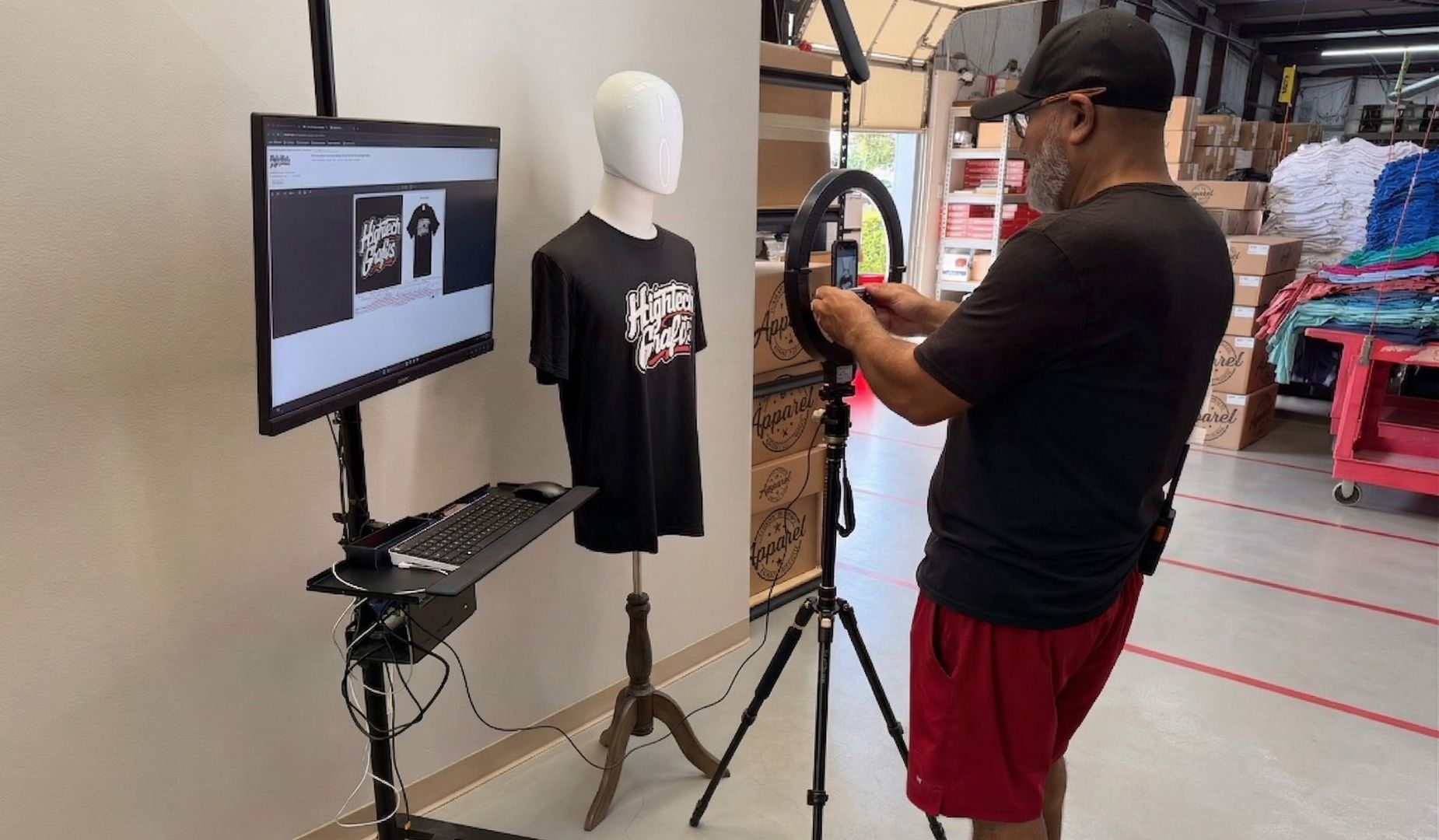
At most shops, you wait and hope. At HTG, you get an email with a photo the moment your order hits the press. No guessing. No phone calls. Just proof that your order is running exactly the way it should.

Choosing a contract decorator is a lot like dating. The first few conversations are great. They say all the right things. Turnaround times sound amazing. Pricing looks competitive. Everything feels like a perfect match. Then the first order ships. The box looks like it survived a bar fight. Nobody can tell you where the job is in production. And the invoice has line items on it that were definitely not discussed upfront. Sound familiar? You’re not alone. This industry is full of red flags that nobody warns you about until you’re already three orders deep and wondering how you got here. Think of this as your cheat sheet. If your current decorator checks more than a couple of these boxes, it might be time to start quietly shopping around. Red Flag #1: Your Orders Ship in Recycled Supplier Boxes Nothing says “we care about your brand” quite like receiving a shipment in a beat-up SanMar box with the old shipping label half-peeled off and a strip of mystery tape holding the flap together. We get it. Boxes aren’t free. But that box is the very first thing your end user sees. Before they touch the shirt, before they check the print quality, before anything else, they’re looking at the packaging. And if it looks like it already made two trips across the country? That’s the first impression of YOUR brand. Not the decorator’s. Yours. A decorator that invests in professional packaging, box liners for water damage protection, reinforced tape, and cut protectors so your client doesn’t slice through the shirts when opening the box? They get it. Their job doesn’t end at the press. It ends when your client smiles. Red Flag #2: You Can’t See Your Job Status Without Calling or Emailing We’re in 2026. You can track a $7 package from Temu in real time across the Pacific Ocean, but your contract decorator needs you to call in and ask Janet where your 2,000-piece order is? Come on. If your decorator doesn’t offer a client portal with live job tracking, you’re stuck playing the world’s least fun game of telephone. Your client wants an update. You email the decorator. They get back to you four hours later with “it’s in production.” You pass that along. Your client asks what stage of production. And now you’re firing off another email. Real-time tracking isn’t a luxury feature. It’s table stakes for any decorator that respects your time. You should be able to log in, see exactly where your job stands, check for delay notes, and relay that to your client in under 60 seconds. If your decorator’s version of “tracking” is an email chain, you’ve got a problem. Red Flag #3: They Don’t Track Your Inbound Shipments This happens every single day in our industry. You order 500 shirts from SanMar. The shipment shows up at your decorator short 18 pieces. Nobody catches it. They print what arrived and ship it out. You find out you’re short when your client calls asking where the rest of their order is. Now you’re on the phone with SanMar. Then back on the phone with your decorator. Then back with your client explaining why they’re 18 shirts short for a company event happening this weekend. A beautiful chain of chaos, and the whole thing was preventable. A decorator that automatically tracks every inbound shipment, counts the goods against the PO, and works out discrepancies with the vendor before production even starts? They’re saving you from that Friday afternoon panic call you never want to get. Red Flag #4: They Can’t Show You What They Printed Until It’s Already Shipped Think about it this way. If you ordered a custom cake for your wedding and the baker said, “You’ll see it at the reception,” you’d walk out the door. No preview. No photo. No chance to say, “Hey, that’s not what I asked for.” So why would you accept that with a 1,000-piece screen print order? If your decorator can’t show you a photo of the first decorated piece before the full run continues, you’re flying blind. The print might be slightly off-center. The color could be wrong. The placement might be two inches lower than the proof showed. And you won’t know any of that until boxes arrive at your client’s door. Production photos and mid-run visibility aren’t a bonus. They’re your safety net. A decorator that uploads photos of the first piece directly to your job so you can see the finished product as it moves into full production? That’s a decorator that actually wants to get it right. Red Flag #5: They Also Sell Direct to the Public Pay attention to this one. If your “contract” decorator also takes retail orders, walk-in customers, or sells direct to the public through their website, they’re not a contract-only shop. They’re a retail printer that also does contract work when it’s convenient. That distinction matters more than you’d think. When retail and contract jobs share the same production floor, your orders are competing for press time with someone’s family reunion t-shirts. Peak season hits and guess whose 3,000-piece order gets bumped because the retail side is backed up? Yours. And if your end user ever Googles the decorator and finds out they can order direct? You just created a middleman problem you didn’t need. A trade-exclusive, contract-only decorator exists for one reason: to make YOU look good to YOUR clients. That’s the whole point. Red Flag #6: You Talk to a Different Person Every Time You Call “Hi, thanks for calling! Can I get your account number? OK, pulling that up now. Can you give me some background on the order? What was the issue again?” If that sounds like every phone call to your decorator, you’re living the shared inbox life. Your email lands in a general queue. Whoever’s available grabs it. They’ve never talked to you before. They don’t know your account. They definitely don’t know that your biggest client wants left-chest placement on everything and gets very particular about PMS colors. So you explain it all over again. A dedicated sales rep changes the whole dynamic. One person who knows your account, your preferences, your clients, and your standards. When you call, they already have context. When something goes wrong, they own it. No transfers, no re-explaining, no starting from scratch every single time. Red Flag #7: They Disappear When Something Goes Wrong You won’t spot this one until you actually need your decorator to show up for you. When orders are running smoothly, everything’s great. The emails are friendly. The turnaround is solid. Everybody’s happy. Then something goes wrong. A misprint. A shipping delay. A botched color match. And suddenly your decorator is harder to reach than a teenager who just borrowed the car. No call. No heads-up email. No “Hey, we caught an issue and here’s what we’re doing about it.” Just silence until you discover the problem yourself. And then, somehow, it turns into a conversation about what YOU could have done differently. A decorator with real accountability doesn’t ghost you when things get messy. They call you first. They own the mistake. They fix it. And they don’t make you feel crazy for expecting the order to be right. So, What Should You Actually Look For? If most of this list hit a little too close to home, here’s the good news: not every decorator operates this way. The bad news? A lot of them do, and you won’t realize it until the damage is done. The green flags are the opposite of everything above. Professional, branded packaging that makes the unboxing experience feel intentional. A real-time client portal where you can check production status without picking up the phone. Automatic inbound shipment tracking that catches vendor shortages before they become your problem. Production photos uploaded directly to your job so you can see the finished product as it moves into full production. A trade-exclusive model built solely to support distributors. A dedicated rep who knows your name and actually picks up when you call. And an accountability policy that puts the client first, no exceptions. That’s how we built Hightech Grafix. Every one of those green flags is baked into how we operate, because we’ve seen firsthand what happens when they’re missing. We’re a contract-only, trade-exclusive decorator serving promotional product distributors across the country. No retail. No direct-to-consumer. Just partnership-level service backed by real technology and real accountability. If you’re tired of settling, visit hightechgrafix.com or call us at 817-268-4040. We’d love to show you what working with the right decorator actually feels like. Partners by Design. Real Accountability. Built In.

EXPOSED! How Your Current Decorator Might Be Stealing Your Clients! Imagine this: You’ve spent months, even years, building a solid relationship with your clients, only to have them snatched away right under your nose. This nightmare scenario happens more often than you think in the world of promotional product reselling, especially when your apparel decorator plays both sides of the field. But what if the culprit behind your vanishing clients is, in fact, your current decorator?

Stop losing profit to messy napkin math and phone tag. Discover why we changed our quoting process to give your business a massive competitive advantage in 2026

Blog about the great Hoodie Showdown between Pullover Hoodies and Zipper Hoodies

At HTG, we don't just print shirts. We obsess over what works, what breaks, and how to run smarter every single day. Earlier this year, we ran an internal audit of 100 recent contract jobs across screen printing, embroidery, and DTF. We wanted to know: Where do jobs go sideways? What slows things down? And what’s quietly killing profit margins without anyone noticing? The results were eye-opening. Some of it we expected. Some of it caught us off guard. All of it can help you run a cleaner, faster, more profitable business. 1. 47% of Orders Had PO or Art Issues That Delayed Production Nearly half the orders we reviewed had incomplete or unclear purchase orders and artwork files. Missing PMS codes Vague notes like "center chest" with no dimensions Raster files instead of vector Job names that didn’t match the art files These aren’t small errors. They stall production, trigger email threads, and knock your order out of the press queue. What no one talks about: These problems don’t just affect your job, they create bottlenecks for everyone behind you. 2. 22% of Client-Supplied Garments Arrived Incorrect or Late Client-supplied garments are common—but they’re also one of the top sources of chaos. Wrong styles or colors Incomplete quantities Late arrivals No packing slips or communication What no one talks about: Every time we have to sort, track, or delay a job due to garment issues, it adds labor cost. That eats your margin, even if you don’t see it directly. 3. 35% of Rush Orders Could Have Been Avoided We get it—sometimes the client needs it yesterday. But in over a third of rush jobs, the PO was submitted late even though the art and inventory were ready to go. The rush was self-inflicted. What no one talks about: Rush fees are real, but so is the strain on production. If you’re not charging your customer for that urgency, it’s coming out of your profit. 4. 61% of POs Included Add-Ons Without Pricing Clarity We saw all kinds of value-adds on these orders: Polybagging Sleeve prints Neck relabels Patches Special effect inks or threads But in over half the POs, these were listed with no clear breakdown of how they were priced—or even if they were priced. What no one talks about: If your PO is vague, you're likely absorbing the cost. That’s death by a thousand cuts. 5. The Clients with the Fewest Mistakes Sent the Clearest POs The cleanest jobs had one thing in common—crystal-clear paperwork. Those clients: Used structured PO templates Attached mockups with detailed specs Sent vector artwork with PMS codes Listed every finishing detail upfront They weren’t always our biggest clients, just the most organized. What no one talks about: You don’t need to print more shirts. You need to print smarter ones. Final Takeaway: Your Margin Lives or Dies in the Details These weren’t flukes. They’re patterns. And they’re costing time, money, and client trust every day. Want: Faster turnarounds? Fewer mistakes? Better margins? It all starts before your job hits the press. We’re not here to point fingers, we’re here to help you win.

When you send a job to a contract decorator, you expect one thing above all else: to be the priority. But if your decorator is playing both sides—offering “contract” services while also running a retail brand or selling direct to consumers—you’re not actually the priority. You’re just one of many revenue streams. And that’s a problem. What Is a Hybrid Decorator? A hybrid decorator is a shop that claims to offer contract printing, embroidery, or DTF services while also operating a retail brand, selling direct-to-consumer, or running e-commerce storefronts on platforms like Etsy, Amazon, or their own website. To be clear: this isn’t about capability—it’s about focus. Hybrid shops often market themselves as contract-friendly and may even have wholesale pricing, but behind the scenes, they’re constantly juggling priorities. Your job is competing for press time with local walk-ins, retail campaigns, and internal brand orders. Why It Hurts Distributors When your orders are squeezed between a decorator’s own projects and their contract work, you lose control—and so do your clients. Here’s how working with a hybrid decorator can quietly erode your business: Missed Turnarounds – Their in-house or retail jobs often consume the best press times before your PO is even touched. Inconsistent Pricing & Focus – Their retail sales often receive quicker turnaround or more attention, especially when order volume spikes. Damaged Credibility – You promise a delivery date to your customer based on the decorator’s lead time, only to find out your job was delayed for a local school or influencer brand. Channel Conflict – Some hybrid decorators even sell direct to end-users—competing with you in the same industries or verticals. “We Only Do Contract” — Or Do They? Many decorators will claim to be contract-only or contract-first, but the reality often tells a different story. You’ll hear: “We mostly do contract work.” “We only take retail when things are slow.” “Our contract side is totally separate from our retail business.” The truth? When the production schedule gets tight, priorities shift—and those “house” jobs often get fast-tracked. The separation blurs quickly, and your orders end up waiting. This is why it’s critical to know who you’re working with. Ask the hard questions. Don’t settle for vague reassurances. Your clients count on you, and you need a decorator who treats your orders like they matter—every time. The Bottom Line If you’ve been frustrated by missed deadlines, shifting priorities, or inconsistent communication from your decorator, the issue may not be with production—it’s often a matter of where you rank in their business model. And when you're working with a hybrid decorator, you're rarely at the top. At Hightech Grafix , we’ve removed that uncertainty entirely. As a 100% contract-only decorator, we don’t juggle priorities between retail and wholesale, and we don’t split focus between consumer sales and distributor relationships. Our entire operation—from scheduling and pricing to staffing and production—is built with one goal in mind: to serve distributors like you. You’ll never have to wonder if your order is being bumped for a retail job or sidelined for an in-house brand drop. Your purchase orders drive our schedule. Your deadlines define our production flow. And your growth is what fuels ours. If you're ready to stop chasing availability and start building with a partner who puts your business first, every time, Hightech Grafix is here to deliver.

Let’s face it—being a distributor isn’t always easy. One minute you’re answering emails about hoodies, the next you’re scrambling to get a quote together, and somewhere in between, you’re trying to explain to your customer why embroidery costs more than printing (again). Wouldn’t it be nice if something could help you do all that… faster? Enter AI. No, you don’t need to be a computer genius or wear a lab coat. These tools are simple, smart, and can actually help you save time and sell more. Think of them like your silent business partner—minus the bad coffee and loud typing. 💬 1. ChatGPT: Your New Email Assistant You’ve probably heard about ChatGPT. It’s like a super helpful intern that never sleeps. Need to write an email to a customer asking for their artwork? Or explain why rush orders cost more? Or respond to a tricky question about minimums? Just tell ChatGPT what you want to say, and it’ll help you write it in a clear, friendly way. You can even use it to: Create custom quote templates Write order follow-ups Draft social media captions for your newest tee drop “No more staring at a blinking cursor. This thing writes better than most of us after two cups of coffee.” 🧢 2. Placeit & MockupMark: Quick Mockups, No Design Needed Clients love seeing their logo on a shirt or hat before they order. The problem? You don’t have time to Photoshop every logo they send you. That’s where Placeit and MockupMark come in. These tools let you upload a logo and instantly create mockups on real products—tees, hoodies, hats, bags, you name it. You don’t need Photoshop, design skills, or endless YouTube tutorials. Just pick your template, upload the artwork, and send it off to your client looking like a pro. “No design team? No problem.” ✍️ 3. Jasper or Copy.ai: Write Proposals Like a Pro If you send quotes with a little pitch or explanation, these tools can help you sound polished (even when you’re working from the back of your car between meetings). Type a few key points—like what you’re quoting, the product, the decoration method—and let it whip up a short, sweet explanation your client will actually read. Bonus: It’ll help avoid the dreaded typo that turns “DTF Print” into... well, something else. 📋 4. Trello or Notion + AI: Stay Organized Without Losing Your Mind Let’s be honest: between customers, follow-ups, and remembering which job is screen print and which is embroidery, it’s easy to lose track. Trello and Notion are tools that help you organize orders visually—like digital sticky notes. And now, they even include AI features to help you: Set reminders Prioritize your follow-ups Create simple task lists for your week “It’s like having a planner who never forgets... even when you do.” 📱 5. Lately.ai or Hootsuite AI Writer: Social Media Without the Headache You know you should post on Instagram or LinkedIn... but what do you say? These tools take your product photos or updates and turn them into captions. Want to announce a new puff embroidery sample? Upload the pic, and boom—your caption’s ready. Schedule posts, reuse ideas, and spend more time selling instead of caption-writing. 🚀 Bonus Tools for the Extra-Ambitious If you’re ready to go full genius mode: Zapier + Google Sheets + ChatGPT: Automate sending reorder reminders after 6 months Descript: Turn your client shout-outs into polished videos Crystal: Learn how your clients like to communicate—yes, really 🎯 Final Thoughts: You Don’t Need to Be a Tech Wizard You don’t have to use all of these tools. Even picking one or two can save you serious time and make you look like a rockstar to your clients. Here at Hightech Grafix, we see our top distributors using tools like ChatGPT for email help, and both Placeit and MockupMark for mockups—and it’s helping them sell faster, with less stress. “Less time quoting. More time selling. And maybe, just maybe, a weekend off.” 📞 Want help with your next decorated order? Reach out to our team—we’ll make the process easy, efficient, and maybe even a little fun.
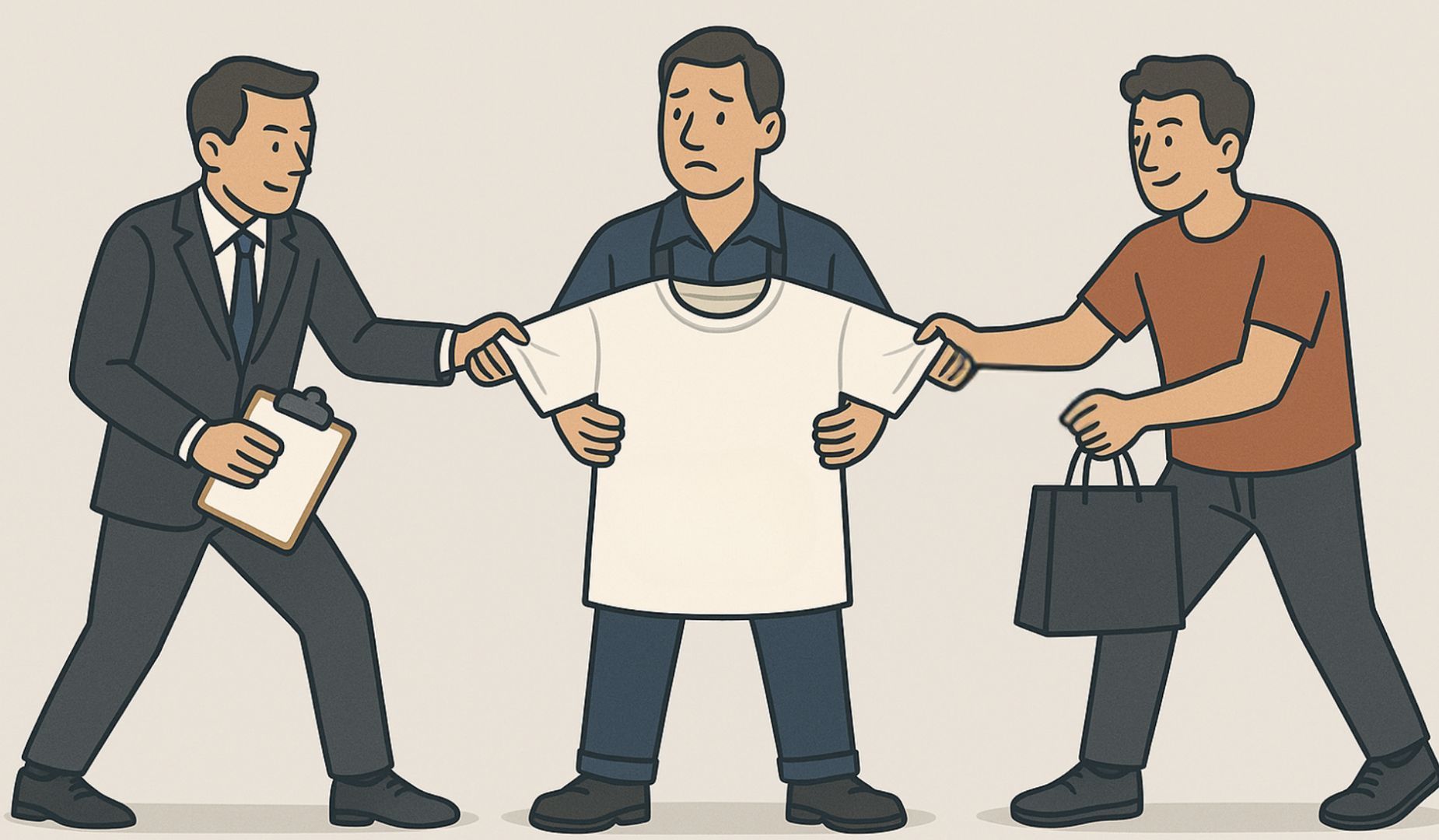
Let’s cut to the chase. You’re a reseller. You hustle to win business, nurture client relationships, and deliver high-quality decorated apparel on time, every time. You rely on your decorator to help you execute. So why does it sometimes feel like they’re not entirely on your team? If your decorator is splitting their time—and priorities—between resellers and retail clients, you might be caught in a silent tug-of-war. And guess what? You’re probably losing.

Did you know that 80% of businesses cite supplier issues as a major operational challenge? From missed deadlines to inconsistent quality, supplier-related problems can disrupt operations and impact the bottom line. The root of the problem? Too many businesses treat their suppliers as transactional vendors rather than strategic partners. Instead of building long-term relationships, they simply place orders and expect results—missing out on the benefits of true collaboration. In this article, we’ll break down the biggest mistake businesses make when working with suppliers, why it’s costing them, and how to fix it.
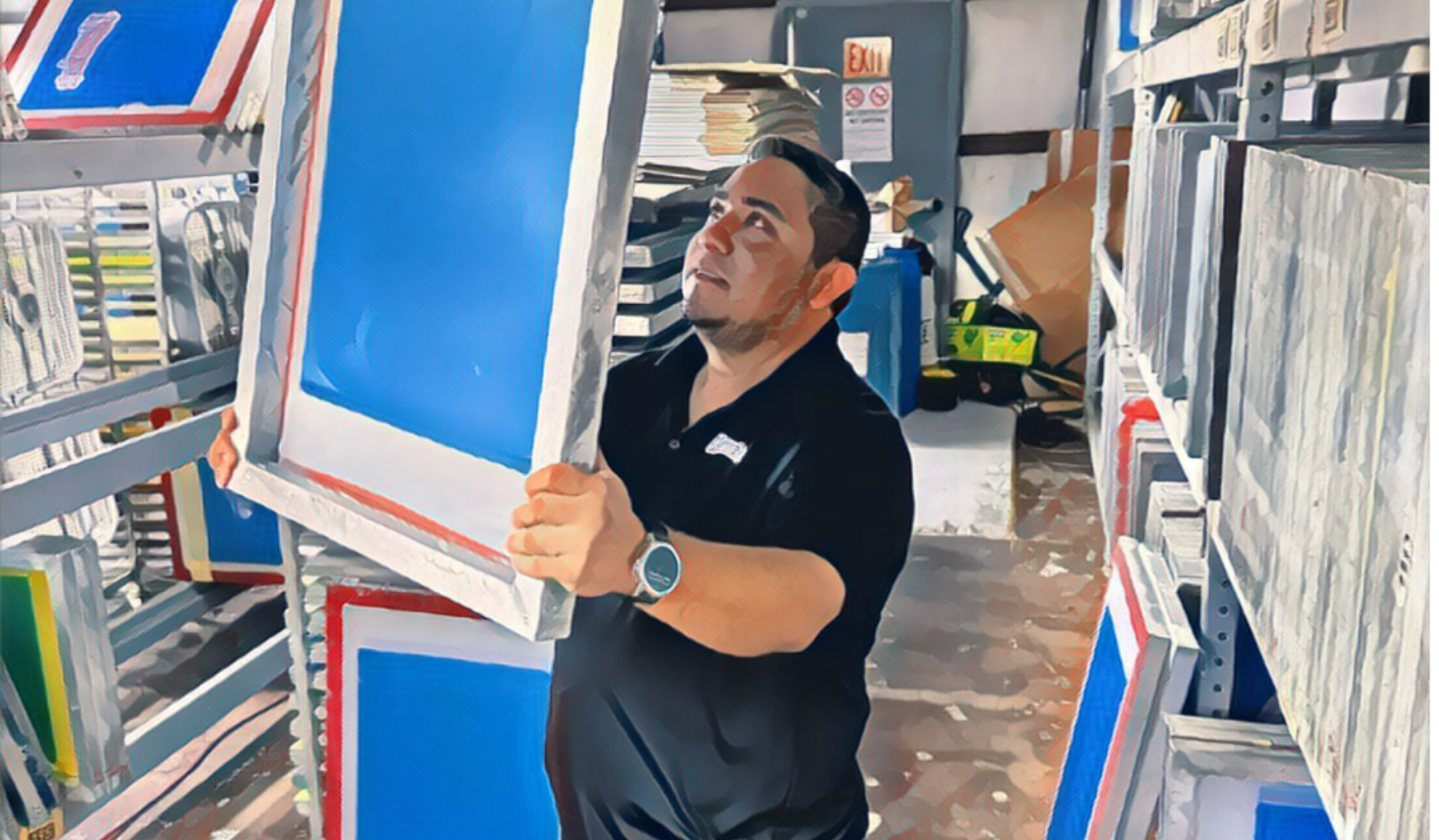
At Hightech Grafix, we believe that every great print starts with a foundation of precision and care. One of the key steps in delivering the vibrant, high-quality prints we’re known for is our screen-burning process. While our resellers don’t need to worry about the technical side of things, we’re proud to give you a peek behind the curtain at how we transform simple mesh into masterpieces that help your business shine.

In a world where technology is embedded in almost every aspect of our lives, it’s no surprise that our clothing is the next frontier. Imagine a T-Shirt that does more than just look good—one that can interact with your smartphone, provide you with exclusive content, or verify its own authenticity with a simple tap. Welcome to the era of NFC-enabled T-Shirts, where fashion meets futuristic tech in ways you never imagined. So, what exactly are NFC tags, and how are they revolutionizing the world of apparel? Let’s dive in and explore the game-changing potential of this cutting-edge technology.
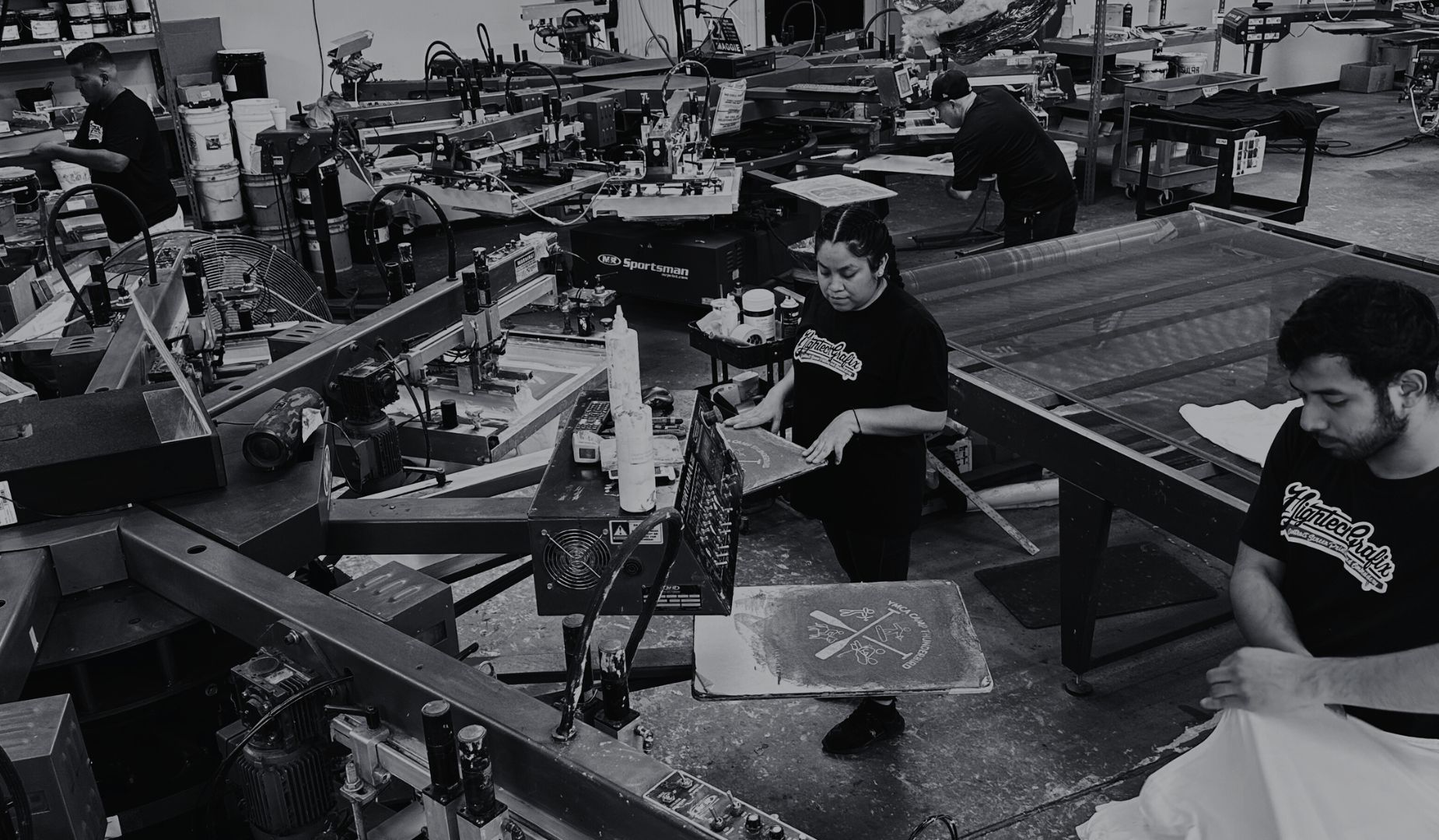
When it comes to choosing a screen printing and embroidery partner, price often seems like the most important factor. After all, who doesn’t love a good deal? But in the world of apparel decoration, the saying “you get what you pay for” couldn’t be more true. While competitive pricing is essential, it’s not the only thing you should consider. In fact, customer service can play a far more critical role in your overall satisfaction and the success of your projects. In this post, we’ll dive into why exceptional customer service should be at the top of your list when selecting a screen printing partner, and how it can make a bigger difference than you might think.

Direct To Film (DTF) printing is revolutionizing the world of apparel decoration with its versatility and ability to produce vibrant, detailed prints on a variety of materials. To help our resellers achieve the best possible results, we've compiled our top 10 Hacks for preparing artwork specifically for DTF printing. By following these 10 tips, you can ensure your designs are optimized for quality and durability.